
About Enemy
Denis Villeneuve's 2013 psychological thriller 'Enemy' presents a haunting exploration of identity, duality, and subconscious desires through the story of Adam Bell, a disaffected college professor played with remarkable nuance by Jake Gyllenhaal. When Adam discovers an actor who is his physical duplicate, his investigation into this doppelgänger's life unravels his own reality, blurring lines between self and other in increasingly disturbing ways.
Based on José Saramago's novel 'The Double,' the film masterfully builds tension through Villeneuve's precise direction and a consistently unsettling atmosphere. Gyllenhaal delivers one of his most compelling performances, portraying both Adam and his counterpart Anthony with subtle distinctions that gradually dissolve as their lives intertwine. The supporting cast, including Mélanie Laurent and Sarah Gadon, adds layers to the film's exploration of relationships and personal fragmentation.
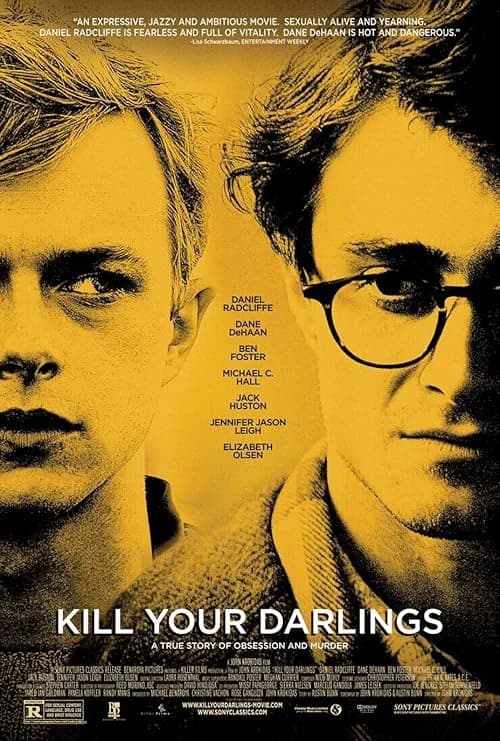
What makes 'Enemy' essential viewing is its rich symbolic texture and willingness to embrace ambiguity. The film's distinctive visual style—dominated by yellow tones and recurring spider imagery—creates a dreamlike quality that perfectly complements its psychological themes. While the narrative deliberately avoids straightforward explanations, it rewards viewers with a profoundly unsettling experience that lingers long after the credits roll. For those who appreciate cerebral thrillers that challenge conventional storytelling, 'Enemy' offers a masterclass in atmospheric tension and psychological depth.
Based on José Saramago's novel 'The Double,' the film masterfully builds tension through Villeneuve's precise direction and a consistently unsettling atmosphere. Gyllenhaal delivers one of his most compelling performances, portraying both Adam and his counterpart Anthony with subtle distinctions that gradually dissolve as their lives intertwine. The supporting cast, including Mélanie Laurent and Sarah Gadon, adds layers to the film's exploration of relationships and personal fragmentation.
What makes 'Enemy' essential viewing is its rich symbolic texture and willingness to embrace ambiguity. The film's distinctive visual style—dominated by yellow tones and recurring spider imagery—creates a dreamlike quality that perfectly complements its psychological themes. While the narrative deliberately avoids straightforward explanations, it rewards viewers with a profoundly unsettling experience that lingers long after the credits roll. For those who appreciate cerebral thrillers that challenge conventional storytelling, 'Enemy' offers a masterclass in atmospheric tension and psychological depth.